
How to Check Criminal History in Norwalk
Start with the record type, not a broad name search. Norwalk Police controls its incident and arrest reports. Connecticut Superior Court controls the public criminal docket and case file. CT DOC reports present state custody, while DESPP’s State Police Bureau of Identification provides official state conviction-history responses. Fairfield County has no government office that combines them.
- Contact the Norwalk Police Records Unit for the incident, arrest, crash, video, or other agency record.
- Supply the case number, incident date, incident type, requester name, and return address when requesting media.
- Search the Judicial Branch for the pending case or conviction and confirm the live docket’s court location.
- Use CT DOC for current state custody, especially after a court commitment or transfer.
- Use CCHRS or the applicable SPBI form route for an official Connecticut conviction-history request.
The Fairfield County criminal history overview maps these city and state custodians in more depth. A request sent to a “Fairfield County sheriff” will not reach any Norwalk record holder because that office does not exist.
Norwalk Records Unit at Monroe Street
The Norwalk Police Records Unit at 1 Monroe Street is the source for records created by NPD. Call 203-854-3009 or 203-854-3151, or email npdrecordsunit@norwalkct.gov. The public window is open Monday through Friday from 8:30 a.m. to 3:30 p.m. without an appointment.
Paper copies are $0.50 per page. The counter takes cash only, accepts no bill over $10, and does not take cards or Apple Pay. Photos cost $5 per CD. Case video, body-camera video, and dash-camera video each cost $30 per hour, with a one-hour minimum and charges for each partial increment.
The official Records Unit source shows the city channel used to begin a Norwalk criminal record request.
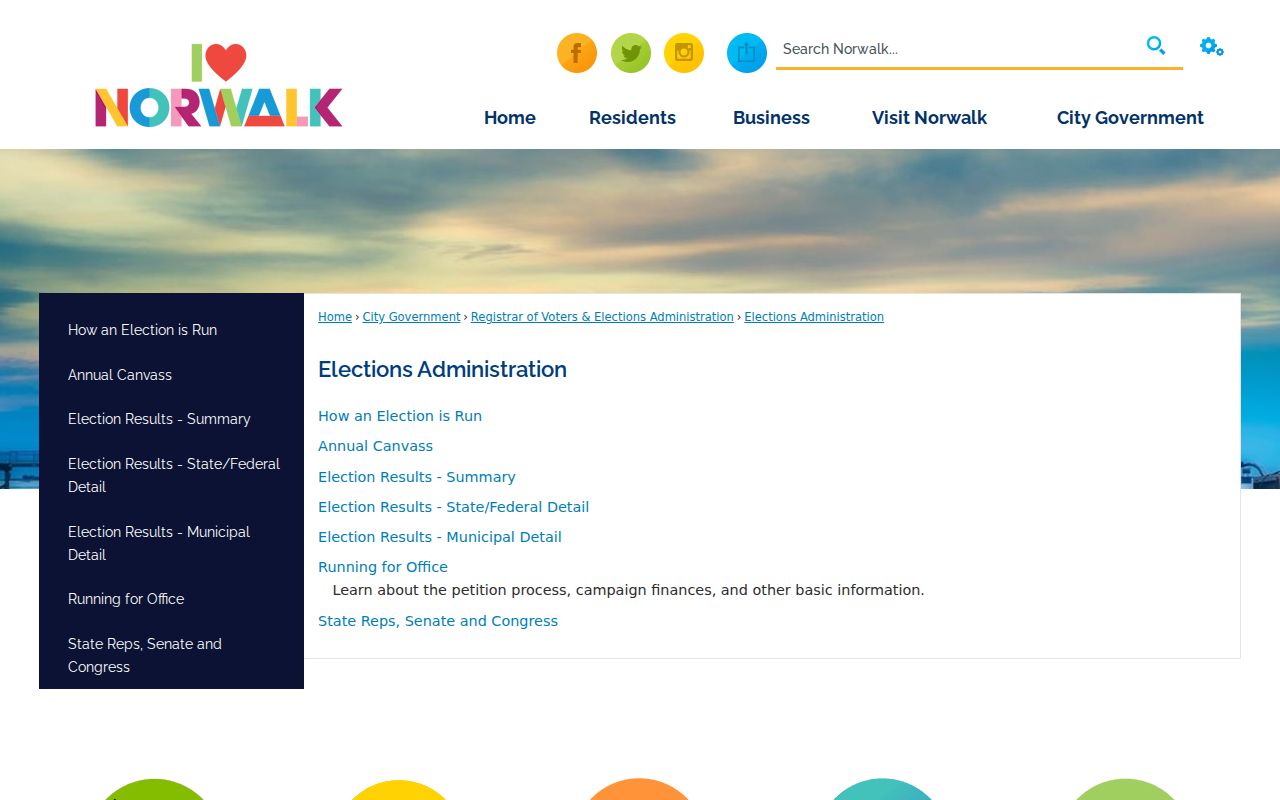
Use the record unit’s current instructions when a fee or delivery method may have changed since the source was captured.
The Norwalk Police Department
Norwalk Police creates the city report when an officer responds to an incident, investigates, or makes an arrest. The unit handles more than 60,000 calls each year, codes data for FBI reporting, and updates internal arrest files when Guilty, Nolle, or Dismissed dispositions arrive from the court. That figure measures calls handled, not crimes or convictions.
The local report can describe police observations and investigative steps. It does not prove guilt. Connecticut access law protects the core public fact of an adult arrest while allowing specified material to be withheld, including juvenile, victim, witness, and active investigative details. Ask for segregable public portions when only part of a record is exempt.
Norwalk FOI Requests Through NextRequest
When a routine Records Unit request does not fit the needed record, Norwalk’s NextRequest portal is the formal city FOI submission and tracking route. Describe the exact record rather than asking the city to answer a question. Include the case number when known, the date and location, the involved party, the record type, and the preferred delivery method.
No official complete public Norwalk arrest blotter was located in the reviewed city sources. That makes the Records Unit, NextRequest, and the Judicial Branch the practical chain for recent Norwalk activity. A missing city blotter should not be replaced with a private mugshot or people-search service.
Note: Identification may be required for a record available only to an involved person, but it is not a universal public-record condition.
Arrests and Bookings in Norwalk
Norwalk has no county booking roster to search. The police department creates and retains the municipal arrest record, and court presentment creates a separate state docket. If a person is committed after court, custody information moves into Connecticut’s unified DOC system. A short local processing period may never appear as a long-term DOC result.
For a recent arrest, ask NPD Records with the name, incident number, date, place, and record type, then search the state pending-case index. Use DOC only for current state custody. Its database can list an “Accused” person, so a result must not be described as a conviction. The Fairfield County arrest history resource explains this timing and agency split.
Norwalk Criminal Cases Route to Stamford
Current Norwalk criminal matters commonly route to Stamford-Norwalk Judicial District and Geographical Area 1 at 123 Hoyt Street in Stamford. The current Judicial Directory controls. A legacy Norwalk GA20 or Belden Avenue option may still appear in an old portal list, but it does not override present GA1 routing.
Confirm the location displayed on the live docket because the venue still depends on the matter. GA1 handles arraignments and most criminal work based on offense location, while serious felony business can proceed in the Judicial District session. These are Connecticut Superior Court sessions, not Norwalk municipal or Fairfield County courts.
The Stamford-Norwalk clerk public-information line is 203-965-5307, and the Court Service Center at Hoyt Street is on the fourth floor at 203-965-5328. This physical separation explains why a Monroe Street police request cannot supply the final state court judgment.
Norwalk Municipal Court Records
There is no current Norwalk municipal criminal court. Connecticut consolidated the former local court layers into Superior Court. A searcher should use state Judicial Branch indexes and the assigned Stamford clerk, rather than look for a city ordinance or criminal docket at Monroe Street.
| Court Name | Connecticut Superior Court, Stamford-Norwalk J.D. and G.A. 1 at Stamford |
|---|---|
| Case Types Heard | Arraignments and criminal matters assigned by offense location; serious felony cases may proceed in the J.D. session |
| Case Lookup Channel | Judicial Branch pending, conviction, docket-number, and daily-docket tools, followed by the assigned clerk |
| What the Docket Shows | Docket and party data, charges, dates, court events, disposition, and sentence when public |
| Copies & Fees | Email may be free for a small archived file; paper, pickup, and certified copies may carry current court fees |
A certified disposition comes from the court that heard the case. Police staff can update an internal Norwalk arrest file from the outcome, but that internal notation is not a substitute for the court’s certified record.
Monroe Street Report Versus Hoyt Docket
The Norwalk report explains what the originating agency documented. The Hoyt Street docket shows what prosecutors filed and how the court handled it. A report may include narrative, officer observations, and media that never appear in the online docket. The court file may contain charges, pleas, motions, probation orders, disposition, and sentence that were not known when police wrote the report.
A precise Norwalk request reduces false matches. Use the NPD case number, date, and location for a city file. For a Norwalk court search, add the birth year, first initial, court filter, or exact docket number when known. Search results still need identity checks because a shared name does not prove that the displayed Norwalk record concerns the intended person.
| Question | Norwalk source | Limit |
|---|---|---|
| What did NPD report? | Records Unit or NextRequest | Redactions and release limits may apply |
| Was a case filed? | Judicial Branch and Stamford clerk | Public web data is not the whole file |
| Is the person now confined? | CT DOC locator | Custody does not prove guilt |
| What is the official state history? | SPBI through the proper request route | Purpose, identity method, and fee control |
For an older disposed Norwalk case, email SuperiorCourtRecordsCenter@jud.ct.gov with the case name and docket. Retrieval is expected in one or two business days. Email may be free if the file is small enough; pickup can require identification and copy or certification payment.
Where Norwalk Records End Up
Norwalk Police remains the custodian of its municipal report even after a case moves to Stamford. Court events and dispositions are recorded by the Judicial Branch. Fingerprints and disposition identifiers support the conviction-history record maintained by SPBI. A court commitment creates or updates a DOC custody record.
Record flow: Norwalk Police Department › Connecticut Superior Court at Stamford › Connecticut DESPP State Police Bureau of Identification
Check NPD and the pending docket for recent activity. Use the court file for the legal outcome and SPBI when an official Connecticut conviction history is required for the authorized purpose. When systems conflict, the originating agency and a certified court disposition are the sound correction sources.
Norwalk Custody Beyond Connecticut
Most Norwalk criminal-history questions stay within city and Connecticut systems. CT DOC is the correct statewide source after a Connecticut commitment. Federal custody is different, and a city or state no-result cannot rule it out when the known case was federal.
The Federal Bureau of Prisons Inmate Locator is the official federal search channel reflected in the captured source.
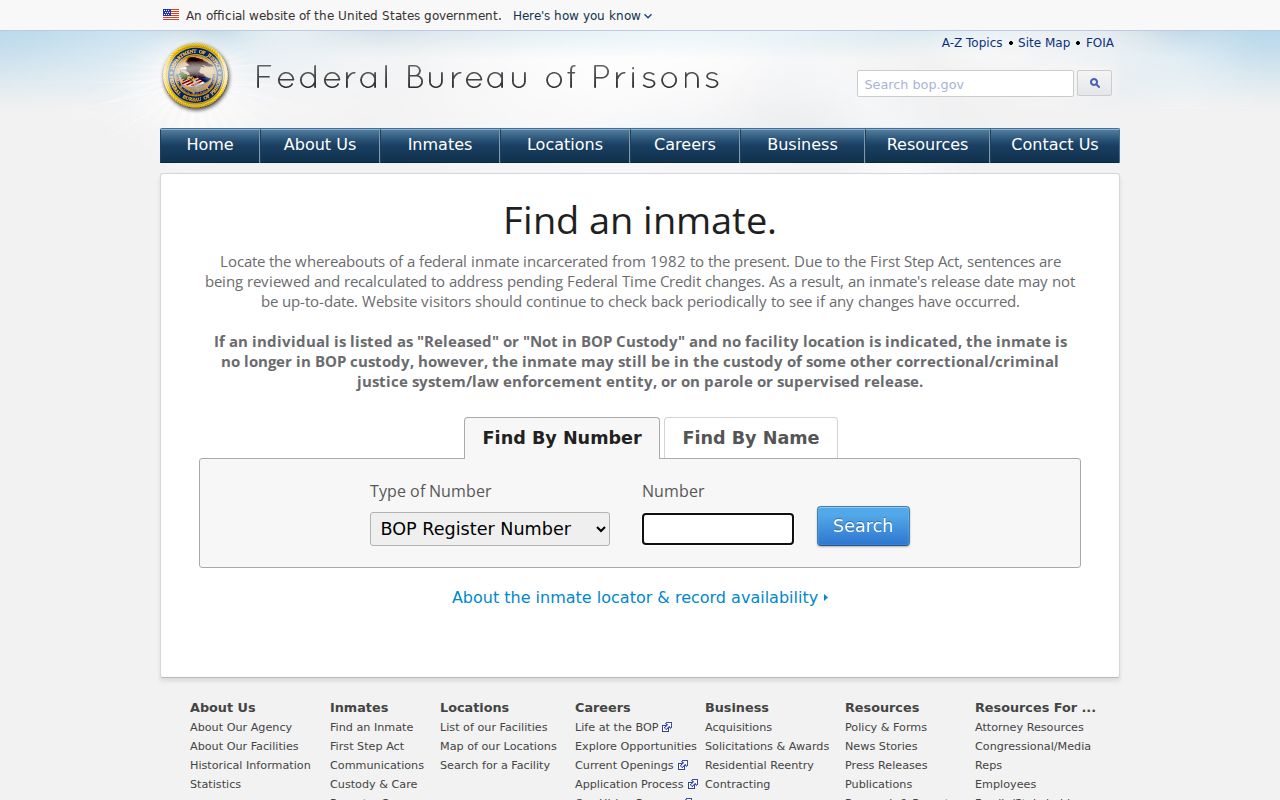
A federal locator result shows federal custody history, not a Norwalk Police report or a Stamford Superior Court disposition.
Norwalk Records and Absolute Pardons
Public lookup can change after statutory erasure, Clean Slate relief, or an Absolute Pardon. An acquittal or dismissal erases after the appeal period, and a nolle ordinarily erases after thirteen months when the statutory conditions apply. Once erased, the court clerk generally cannot acknowledge or disclose the case.
If a Norwalk-related state history remains wrong after the court outcome, obtain a certified disposition and use the SPBI challenge process under §54-142l. An update at NPD does not guarantee an instant change in every state system. Norwalk Police, the Stamford clerk, DOC, and SPBI each control a different record layer and may post lawful changes on different schedules.
The Connecticut Board of Pardons and Paroles is the official Absolute Pardon source shown here.
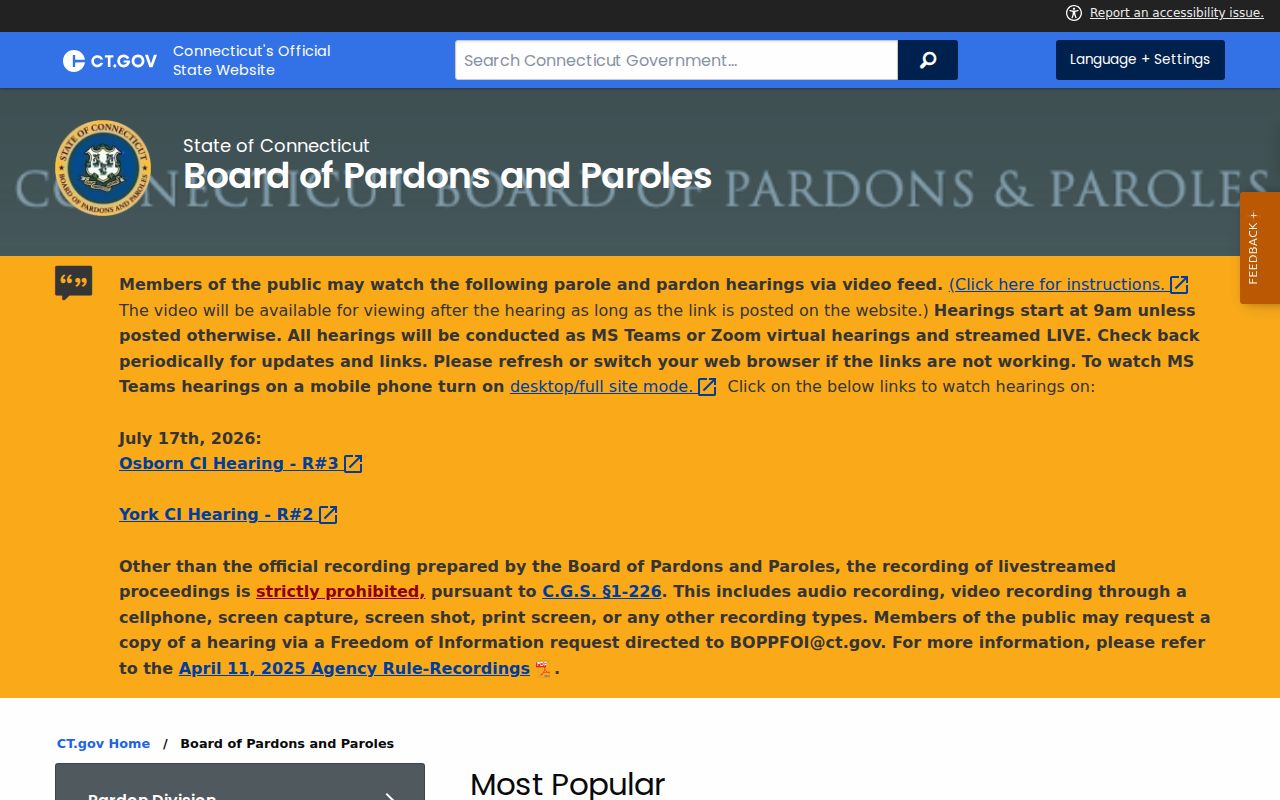
BOPP charges no application fee, though obtaining the required SPBI report and fingerprints can cost money unless a waiver applies.
The official pardon document instructions identify the records and fingerprint steps needed for the application.
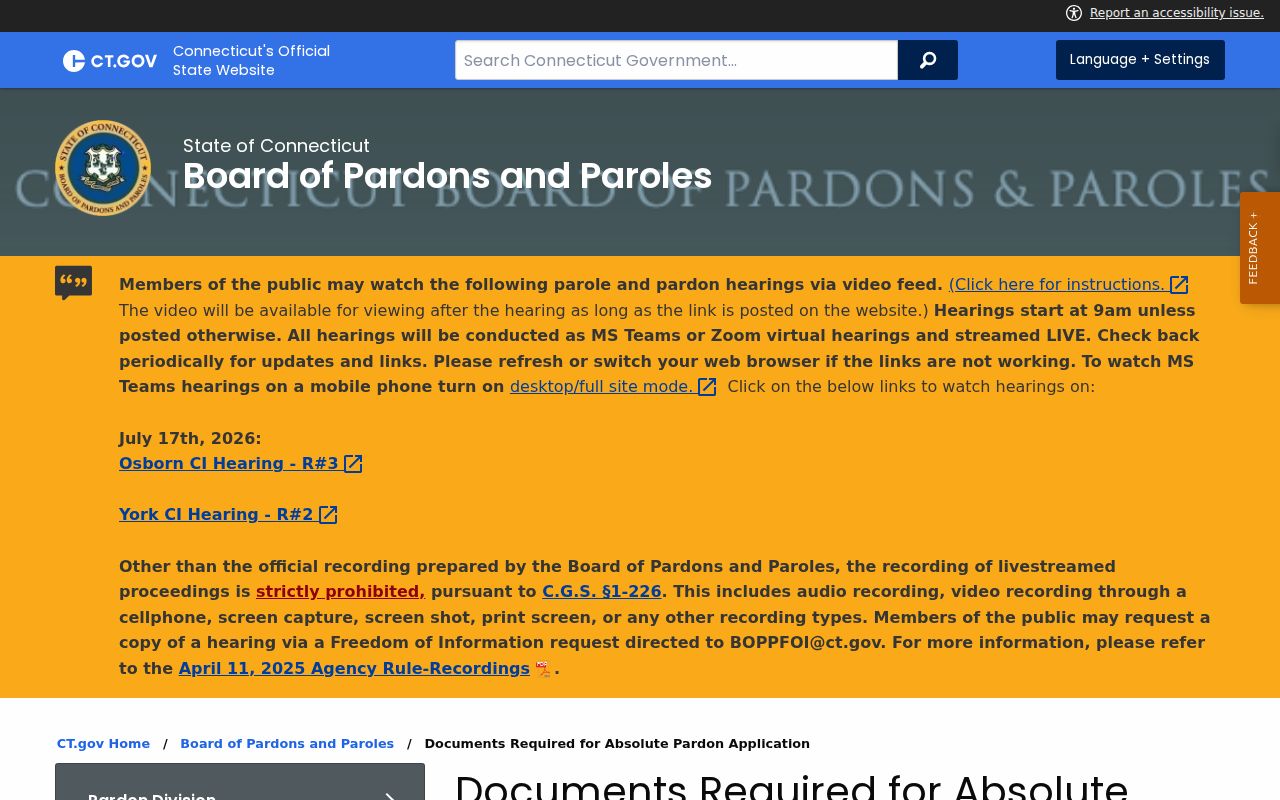
The SPBI report generally must be dated within one year of the pardon application, so timing the request matters.
Norwalk Crash and Video Requests
A crash report, photograph, body-camera video, dash-camera recording, and case video are separate Norwalk Police products. For a written media request, provide the case number, incident date, incident type, requester name, and return address. State the exact medium to avoid a broad request that produces delay or an unexpected invoice.
Photos are priced by CD, while each type of case video carries an hourly charge with a one-hour minimum. Access is still subject to legal review. A public paper report does not guarantee that every frame, voice, plate, medical fact, witness statement, or juvenile detail in the related media can be released without redaction.
Public Access Rules for Norwalk Records
Connecticut FOIA governs NPD and other city executive records. It supports inspection during regular hours and copies of nonexempt public records. Judicial files follow court access rules rather than the city FOI process. A requester seeking both police and court materials must therefore send separate, focused requests to Monroe Street and the Stamford court custodian.
Key Statutes:
Connecticut General Statutes §1-210 establishes public access while listing grounds for withholding protected material.
Connecticut General Statutes §1-212 governs copies, electronic formats, and permissible copy fees.
Connecticut General Statutes §1-215 preserves the core adult arrest record despite specified investigative-record exemptions.
When Norwalk withholds part of a record, ask for the legal basis and all segregable public portions. Section 1-206 provides the Freedom of Information Commission appeal path. Erased cases, juvenile files, protected victim facts, and active investigative details can remain restricted even when the basic fact of an adult arrest is public.